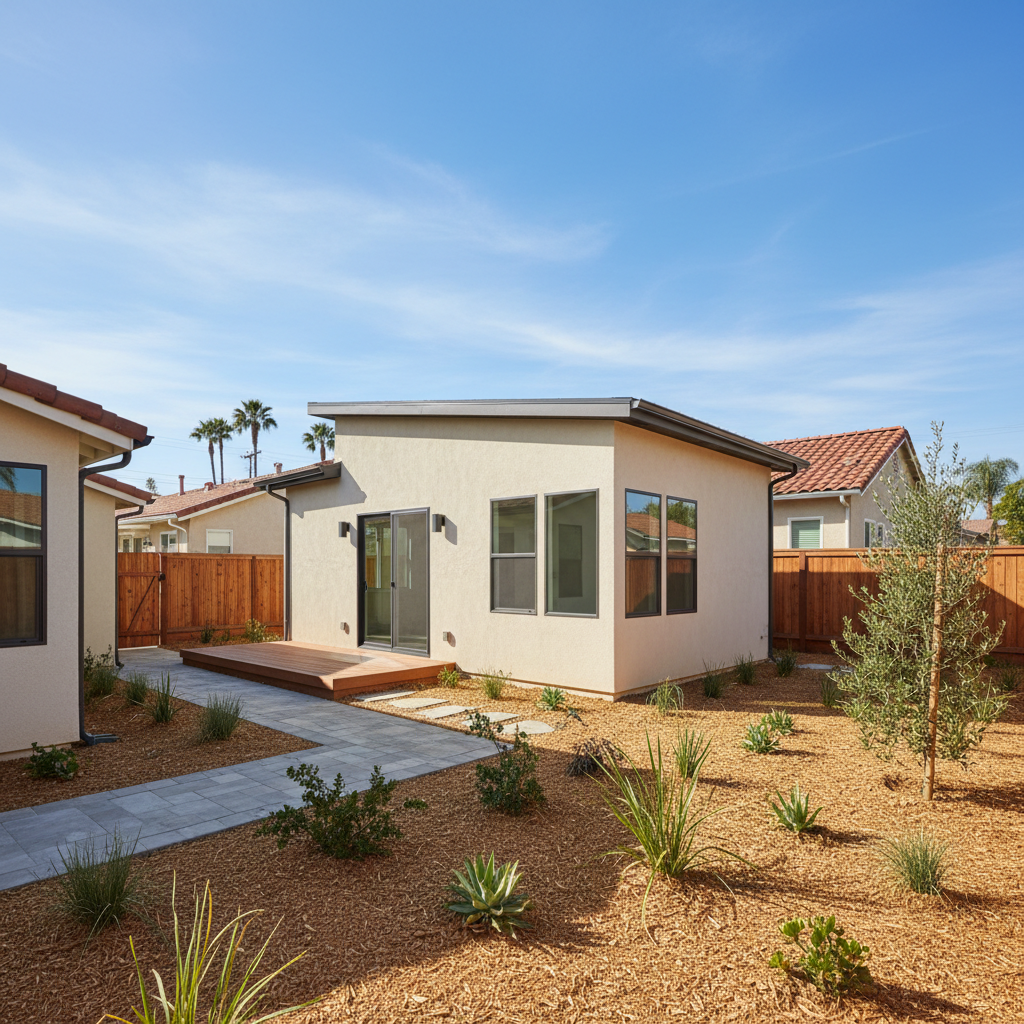
Alright, so you’ve got your ADU built. Maybe we even built it for you here at Santa Ana ADU Solutions. That’s a big step, a real asset to your property. But just like any part of your home, an ADU isn’t a 'set it and forget it' kind of deal. You want this thing to last, right? To keep bringing in rental income or providing a comfortable space for family for years to come. That means taking care of it. And down here in Santa Ana, with our sunshine and occasional crazy weather, that care looks a little specific.
Extending Your ADU's Lifespan: It's All in the Details
Look, extending the life of your ADU isn't some big secret. It’s about making smart choices from the start and then giving it consistent attention later on. We always push for quality materials during construction for a reason – they just hold up better against our intense sun and the occasional damp winter. Think about things like good quality exterior paint that’s designed for UV resistance, or roofing materials that can handle heat without cracking prematurely. These things really make a difference.
But beyond the initial build, it’s about proactive maintenance. Don't just wait for something to break. Regular inspections and small fixes prevent big, expensive problems. It’s like changing the oil in your car; you do it to avoid engine failure, not because the engine's already knocking, right?
What Regular Maintenance Looks Like in Our Climate
For an ADU in Santa Ana, regular maintenance mostly means keeping an eye on the elements and making sure everything’s sealed up tight. Here's what you should be doing:
- Roof Checks: Our sun can be brutal. You should be checking your roof at least twice a year, maybe after a big windstorm or before and after our rainy season. Look for cracked tiles, missing shingles, or any signs of wear. Clear out any debris, especially from valleys where water can pool.
- Gutter Cleaning: This is a big one. When leaves and dirt build up, water backs up, overflows, and can damage fascia boards, siding, and even lead to foundation issues. Do this quarterly, or more often if you have a lot of trees nearby.
- Exterior Paint and Siding: The sun fades and cracks paint, and stucco can develop hairline cracks. Walk around your ADU every six months. Look for peeling paint, cracks in stucco or siding, or any spots where water might be getting in. A fresh coat of paint every 5-7 years isn't just for looks; it's protection.
- HVAC System: We use our AC a lot here. Change air filters monthly, or every three months at minimum. Get a professional HVAC tune-up once a year to keep it running efficiently and prevent breakdowns.
- Plumbing Fixtures: Keep an eye out for drips under sinks, leaky toilets, or slow drains. Small leaks waste water and can lead to mold if left unchecked.
- Landscaping Around the Foundation: Make sure plants aren't growing too close to the foundation. Roots can cause problems, and foliage against the siding can trap moisture, inviting pests or rot. Keep soil graded away from the foundation so water drains properly.
Warning Signs You Can't Ignore
You know your ADU best. If something feels off, it probably is. Here are some red flags that tell you something's wrong and needs attention:
- Water Stains: On ceilings, walls, or around windows. This is a clear sign of a leak. Don't ignore it, even if it's small.
- Musty Odors: Especially in bathrooms, kitchens, or laundry areas. This often points to hidden moisture or mold.
- Cracks in Foundation or Walls: Small hairline cracks in stucco are normal, but if you see wider cracks (1/8 inch or more), or cracks that extend through the foundation, you need to get that checked out.
- Sagging Floors or Ceilings: This can indicate structural issues or significant water damage.
- Sudden Increase in Utility Bills: Your HVAC might be struggling, or you could have a hidden water leak.
- Pest Infestations: Termites love our climate. Look for mud tubes, discarded wings, or damaged wood. Other pests can also indicate entry points that need sealing.
- Flickering Lights or Tripping Breakers: Electrical problems are serious and need immediate attention.
When to Call a Professional
Some things you can DIY, sure. Cleaning gutters, changing filters, even patching small stucco cracks. But for bigger stuff, or if you're not sure, don't mess around. Here's when you absolutely should call in a pro:
- Any suspected roof damage: Especially if you see water stains inside. Roofing work can be dangerous and requires expertise.
- Persistent plumbing leaks or low water pressure: A good plumber can diagnose and fix issues before they become catastrophic.
- Significant cracks in the foundation or structural elements: You'll need a structural engineer or a foundation specialist.
- Electrical issues: Always call a licensed electrician. Period.
- HVAC breakdowns or poor performance: An HVAC technician can diagnose compressor issues, refrigerant leaks, or duct problems.
- Mold growth: If it's more than a small patch you can clean with bleach, call a mold remediation specialist.
- Pest infestations: Especially termites. You need a pest control expert to handle those.
Look, your ADU is an investment. Treating it right means it’ll pay you back for a long, long time. Don't skimp on the maintenance, especially with our Santa Ana weather. A little bit of care goes a long way to keeping your ADU in prime condition.