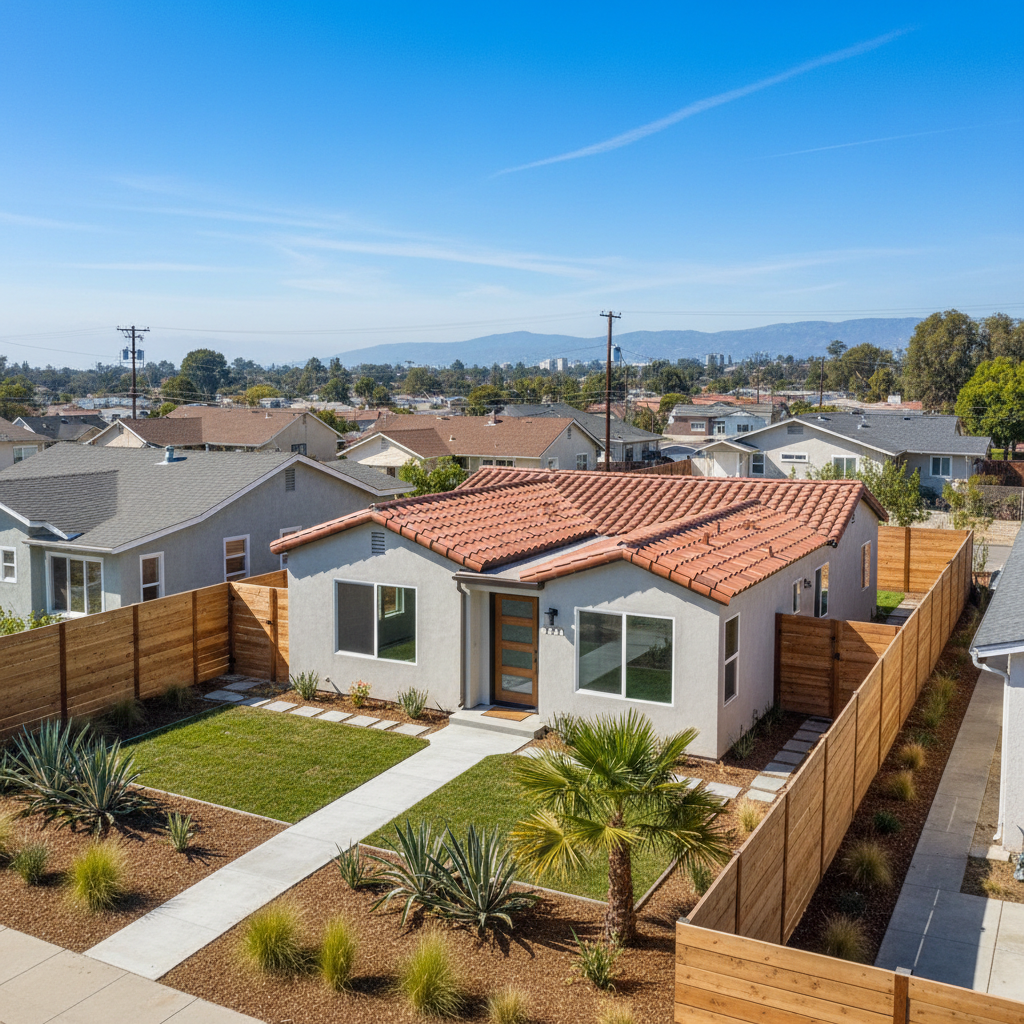
So, you're thinking about adding an ADU to your Santa Ana property. Honestly, that's a brilliant idea! Whether you need it for family, some extra rental income, or just more space, an ADU can really change things for the better. But then the big question pops up, doesn't it: how in the world do you pay for it? I totally get it; financing can feel like the trickiest part of the entire project. It's rarely straightforward, especially with all the unique situations we run into around here.
Why Knowing the Local Financing Scene Matters for Your ADU
You might figure a loan is just a loan, no matter where you get it. But for an ADU, particularly in a city like Santa Ana, local knowledge makes a huge difference. Lenders who truly understand our market, our property values, and even the specific permitting quirks right here from the city can give you better advice and more fitting products. They see the real value an ADU adds to a home in neighborhoods like Floral Park or even those smaller lots near downtown. A big national bank might just look at numbers; a local lender, though, sees an investment in our community.
Common Ways Santa Ana Folks Fund Their ADUs
Alright, let's break down some of the most common ways homeowners around here are paying for their ADU projects. You've got a few solid choices, and the best one for you really depends on your current financial picture and how much equity you've built up in your home, right?
- Home Equity Line of Credit (HELOC): This one's super popular. It lets you borrow against the equity you've got in your home, and here's the cool part: you only pay interest on the money you actually use. It's flexible, which is fantastic because ADU projects can sometimes throw you a curveball with unexpected costs. I've seen plenty of people, like those in the Morrison Park area, use a HELOC to get their ADU built without tying up all their cash.
- Cash-Out Refinance: With interest rates still looking pretty good, a cash-out refinance can be a really smart move. You basically refinance your current mortgage for a bigger amount and take the difference out in cash. This gives you a lump sum to work with, which is great for a fixed-price ADU build. Just make sure that new interest rate makes sense for your long-term plans.
- Construction Loan: If you're building a brand-new, detached ADU from scratch, especially on a larger lot in a place like Santiago Park, a construction loan might be your best bet. These loans are specifically made for building projects. Funds usually get released in stages as construction moves forward, which helps you manage cash flow and makes sure the money goes straight into the build.
- Personal Loan: For smaller ADU conversions, say turning a garage into a living space, a personal loan could totally work. They usually come with higher interest rates than secured loans (like HELOCs), but they're unsecured, meaning you don't put your home up as collateral. It's generally not my top recommendation for a full-blown ADU, but it's definitely an option for those smaller-scale projects.
- ADU-Specific Loans: Some credit unions and local banks are actually starting to offer loans specifically for ADUs. These often consider the future value the ADU will add to your property, which can be a huge help. It's always worth asking around, especially at smaller, community-focused institutions — you never know what they might offer.
What Lenders Are Looking For
When you're chatting with a lender about an ADU, they'll want to see a few things. First off, your credit score and history are always key. They'll also check out your debt-to-income ratio. But beyond that, for an ADU, they'll expect a solid plan. That means having a clear budget, a good set of plans, and ideally, a reputable contractor already lined up. We at Santa Ana ADU Solutions often help our clients pull together the project details that lenders want to see, which definitely makes that part of the process smoother.
Thinking About the ROI in Santa Ana
Don't forget, an ADU isn't just an expense; it's a real investment. Here in Santa Ana, with our tight housing market and constant demand for rentals, an ADU can significantly boost your property value and give you a steady income stream. I've seen properties in the Washington Square district, for example, jump in value once a well-built ADU is added. The rental income can often cover a good chunk, if not all, of your loan payments, making it a pretty smart financial move over time.
Getting the money for your ADU doesn't have to be a nightmare. Do your homework, chat with a few lenders, and make sure you've got a solid plan for your build. With the right financing, your ADU dream could become a reality faster than you'd imagine.